


How to Submit Pay Stubs to Social Security
Wondering how to submit pay stubs to Social Security? There are several ways to accomplish this task.
Oct 04, 2024Ever glanced at your pay stub and wondered, 'if my pay stub says vacation time do they have to give it to me?'

Ever glanced at your pay stub and wondered, 'if my pay stub says vacation time do they have to give it to me?' Essentially, Paid Time Off (PTO) is a crucial employment benefit that encompasses vacation, sick, and personal days, giving you a breather without sacrificing your pay. But how does this reflect on your pay stub? And how can you ensure its accuracy? With a deep understanding of why employees asking for all paystub to reflect the intricacies of PTO, we at Check Stub Maker assist employees with creating paystubs that genuinely mirror their vacation time. Dive in as we unravel the mysteries of PTO and guide you through the intricacies of pay stubs and the state regulations that govern them. What this article covers:
You may be asking yourself, ‘ What do I need to get a check stub from a former job , particularly regarding payouts for paid time off? Our research indicates that PTO payout laws in the US vary significantly from state to state. While some states mandate employers to pay out unused PTO, others leave it to the discretion of the company. 
Several states have mandatory PTO payout laws. For instance, some states like California view earned vacation time as wages. Thus, even if an employee terminates their employment, they're entitled to all unused vacation pay. This is because, under California law, vacation time vests as labor which is performed. Therefore, it's crucial for employees to be aware of their state's stance on this matter.
To determine your state's stance on PTO payouts, it's essential to consult local labor laws or the state's Department of Labor website. For instance, the California Department of Labor provides comprehensive information on vacation policies, emphasizing that earned vacation time is considered wages and cannot be forfeited.
Based on our observations, some companies might offer more generous PTO policies than what the state mandates. If a company's policy states that PTO is earned, they're generally obligated to pay it out upon termination, unless otherwise specified. 
Through our trial and error, we discovered that not all states require employers to offer PTO. However, if an employer chooses to provide PTO, they must adhere to state laws regarding its payout. It's essential to distinguish between legal requirements and company perks. For instance, in California, there's no legal requirement for employers to provide vacation time. But if they do, they must follow specific guidelines.
"Use it or lose it" policies are when employees must use their vacation time by a certain date or lose it. This isn't allowed in certain states like Montana, Nebraska, and California because it's seen as a forfeiture of earned wages, which is illegal.
As per our expertise, we've devised some quick tips to help you keep track of your unused vacation pay using our paystub maker :
Is an employer required to provide a check stub if you do direct deposit and provide a PTO payout? We'll take a deeper dive into specific state laws, which will help you understand the nuances of PTO payouts.
In the Golden State, employees are entitled to a “PTO cash-out” where they cash out their unused vacation time and sick leave when they part ways with a company. While California prohibits "use-it-or-lose-it" PTO policies, employers can set a cap on the amount of vacation time an employee can accrue. 
Colorado, like a few other states, allows employers to set conditions determining when a departing employee will receive payments for accrued but unused vacation time. The specifics, however, can vary based on company policy and any agreements in place.
Illinois mandates that employers provide a payout for unused PTO, which includes both sick time and vacation days. If a company wont give paycheck stub or fails to pay a worker for this accrued time, they could be in violation of Illinois paystub law and face potential legal consequences.
Similar to Colorado, Indiana permits employers to set conditions on when an employee will receive payments for their unused vacation time. Company policy and any existing agreements may have an impact on the specific terms.
In Louisiana, employers are required to pay out unused PTO. Not adhering to this can result in legal repercussions for the employer.
Maryland's approach is a bit different from most other states. Employers in this state are required to pay for unused PTO, but only in cases where the employee hasn't agreed to a policy that explicitly forfeits these payments.
Massachusetts is among the states that mandate employers to provide a payout for unused PTO, including both sick days and vacation days.
Montana stands out by prohibiting employers from implementing "use-it-or-lose-it" PTO policies. This ensures that employees don't miss out on their hard-earned vacation time.
Nebraska requires employers to pay out unused PTO, ensuring that employees are compensated for their accrued vacation and sick days. 
New York allows employers to refuse payment for any unused PTO. However, one exception to this is if there's a written company policy stating that an employee will be paid for this unused time upon leaving the company. In that instance, the employer is contractually obligated to honor that promise.
North Carolina carves its own path in this regard. The state has specific conditions under which an employer can withhold payment for accrued PTO. For instance, our findings show that your employer might not be obligated to pay you if an employee does the following things:
North Dakota's approach is similar to North Carolina's, with specific conditions determining when an employer can refuse to pay for unused PTO.
In Oregon, employees aren't compelled to get holiday or vacation pay. However, employers are still required to abide by any existing policies or agreements within the bounds of the company itself. Like New York, if a firm in Oregon has a policy of providing benefits like accumulated vacation time or severance pay to former employees, then they're required to fulfill this obligation if you're dismissed from your job. 
Rhode Island is among the states that allow employers to deny payment for unused PTO hours. However, if there's a written policy or contractual obligation to pay, employers must honor it.
In Wisconsin, companies aren't required to offer fringe benefits to employees, like PTO or sick leave. With that said, the provisions of the employer's vacation, resignation, and dismissal policies will ultimately determine whether they're still required to pay you for unused benefit pay, which could result in you having 0 gross pay on pay stub after being fired .
Like Wisconsin and Oregon, Wyoming employers similarly aren't mandated to offer employees paid or unpaid vacation time. However, they still have to abide by any regulations they subsequently establish. For instance, employers are free to create a rule that prohibits paying accrued vacation time upon termination of employment. It's essential to note that while some states have clear laws on PTO payouts, others leave it to the discretion of the employer or the employment agreements in place. Always consult with a legal expert or the state's labor department for the most accurate and up-to-date information.
Now, let's address some common questions about PTO and how vacation days are reflected on salaried pay stubs like the ones we make at Check Stub Maker. 
Paid vacation is a period where employees can take time off from work and still receive their usual salary. It's a benefit that employers offer to ensure work-life balance and enhance employee well-being. Historically, paid vacation was introduced to ensure workers had adequate rest, reducing burnout and ensuring they returned to work rejuvenated. Over the years, it has become a standard employment benefit in many sectors. While employees benefit from improved well-being, employers can attract and retain top talent, reduce turnover, and enhance overall productivity.
Full-time employees are typically more likely to receive paid vacation benefits ahead of part-time or contract workers. However, this varies based on company policies and regional labor laws. Companies might offer vacation pay as a competitive edge to attract top talent. The policies can dictate the accrual and usage of vacation pay.
Vacation days can accrue per pay period, monthly, or annually. The rate often varies based on company policy and the duration of employment. Some companies allow the rollover of unused vacation days to the next year, while others might adopt a "use it or lose it" policy. Employees with longer tenures might accrue vacation days at a faster rate to recognize their loyalty to the company. 
"Accruing" refers to accumulating vacation days over time, while "earning" might denote the eligibility to use them. For example, it's possible for you to accrue days from day one, but you can only use them after a probationary period. Regional labor laws, employment contracts, and company policies can all have an impact on the rate. Some companies have probationary periods, during which employees cannot use their accrued vacation days.
You can negotiate paid vacation days, which is often done during the hiring process, as a way of gaining clarity on professional expectations for both employers and employees. We recommend researching industry norms, being clear about needs, and understanding employer constraints, all of which can aid in negotiation. Factors that influence employer flexibility regarding paid vacation days are:
Based on our first hand experience, the rules for using vacation time are often a result of company policies, blackout dates and peak seasons, and the consequences of employees not adhering to company rules. For instance, companies might require advance notice for vacations to ensure seamless operations. Some roles or industries might have blackout dates, preventing vacations due to high work demands. Not following company policies can lead to disciplinary actions or even the forfeiture of accrued vacation days for employees. 
While employers can dictate vacation timings, they must respect any agreed terms and regional labor laws. Situations where employers might dictate vacation terms and times are usually high business periods, during crucial projects, or staffing shortages. In these instances, employers might also have your pay stub rate changed without notice . That doesn't mean that you don't have rights as an employee, though. This is especially true if the terms of your vacation days are contained in an employment contract or if regional labor laws have specific provisions.
Our investigation demonstrated that employers can set their own accrual PTO rules in the following ways:
Technically, this is possible. That's because there's usually a difference in vacation policies and periods for different members of staff in managerial positions and those who aren't in a position of leadership. For instance, employees in managerial roles might get more days off for vacation than hourly workers. Employers must ensure policies don't discriminate based on protected categories like race or age. Overall, different vacation policies should always be considered in light of employee morale and fairness perceptions on the part of employers. 
In this article, we've journeyed together to answer that burning question: 'if my pay stub says vacation time do they have to give it to me?' PTO isn't just a perk; it's a testament to your hard work and dedication, and that's why its accurate reflection on your pay stub is paramount. As we've delved into the intricacies of PTO, it's clear that having a reliable partner can make all the difference. So, why not try Check Stub Maker ? With a knack for precision and a commitment to clarity, we're poised to help you get a check stubs with job verification that's a true reflection of your earnings, including that well-deserved vacation time. Next time you're pondering over your pay details, remember that there's a friendly expert ready to guide you. Dive in, explore, and let Check Stub Maker illuminate your financial journey with our easy-to-use paystub generator ! If you want to learn more, why not check out these articles below:
Wondering how to submit pay stubs to Social Security? There are several ways to accomplish this task.
Oct 04, 2024
What is the difference between a W2 and a W4? ----------------------------------------------!W4 vs W2: The Differences, Similarities, and Fast Factshttps://c...
Nov 13, 2020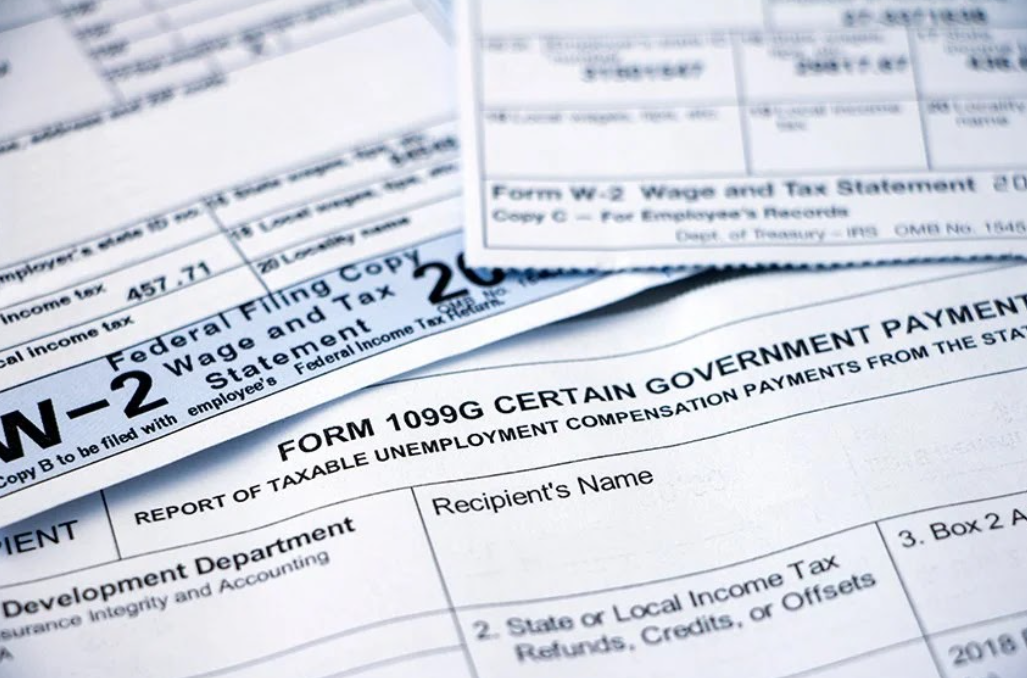
As the year draws to a close, understanding the nuances of your financial documents becomes crucial, especially when it comes to distinguishing between your end of year pay stubs and your W-2 tax form.
Dec 06, 2023